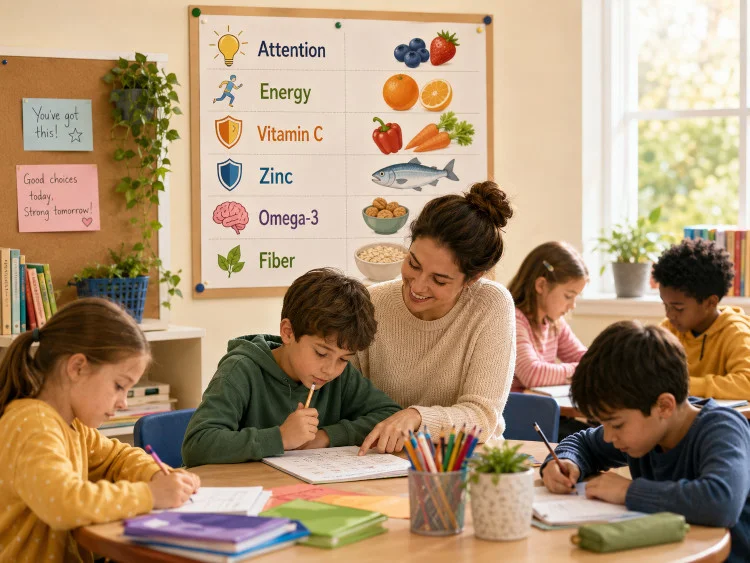
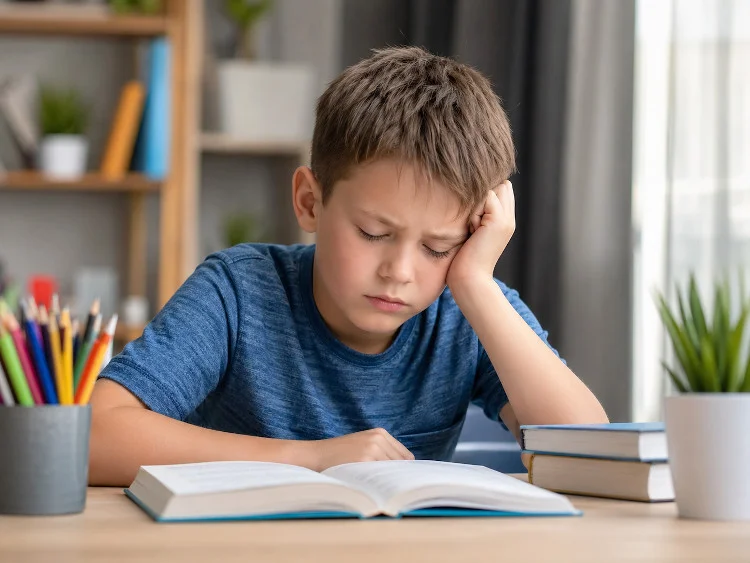
If your child has started getting tired faster, asks to lie down more often, or struggles more with school and activities, there is no need to panic — but it is also not something to dismiss as laziness. In most cases, the reason is simple: lack of sleep, overload, recovery after illness, stress, or diet. But sometimes a child gets tired quickly because of iron deficiency, a lack of important nutrients, or another condition that should be checked.
The main task for parents is to understand whether the tiredness is temporary or happens regularly. If the child becomes energetic after rest, eats well, sleeps normally, and is still interested in playing, it often makes sense to start with routine changes. But if the child is weak and gets tired quickly for several weeks, looks pale, complains of dizziness or shortness of breath, or has suddenly become much less active, it is better not to delay a consultation.
Article Navigation
- What to do today if your child gets tired quickly
- Quick check for parents
- 7 common reasons why a child gets tired quickly
- Which tests may be useful if a child gets tired quickly
- When a child’s tiredness should not be ignored
- What parents can do when a child has low energy
- Answers to common parent questions
✅ What to Do Today if Your Child Gets Tired Quickly
Start not with supplements, but with a short check. It helps you understand where the cause may be routine-related and where it is better not to wait.
For the next 3–5 days, try to:
- put your child to bed earlier than usual;
- remove screens 1 hour before bedtime;
- give your child a quiet break after school;
- add a proper breakfast with protein;
- temporarily reduce evening activities and extra classes.
If your child clearly feels better after sleep, the weekend, and a softer schedule, the cause is often overload. If there is no improvement, or there is paleness, dizziness, weight loss, shortness of breath, or prolonged fever, it is better to contact a pediatrician.
🔎 Quick Check for Parents: When Tiredness Is More Than “Just Overdid It”
Tiredness after a hard day is normal. But constant weakness that interferes with everyday life deserves attention. Before tests and supplements, it is useful to calmly look at the full picture.
Observe for 5–7 days:
- when your child gets most tired: in the morning, after school, in the evening, or after physical activity;
- whether your child feels better after weekends and normal sleep;
- whether appetite, weight, mood, or skin color has changed;
- whether there was a recent illness, stress, move, new school, or new activity.
If the child perks up after rest, the cause is often the daily routine. If there is no improvement, it is worth looking further.
7 common reasons why a child gets tired quickly
Below are the main causes that are most common in children. They can overlap: for example, a child may not sleep enough, eat poorly, and recover slowly after an illness at the same time.
💤 Why a Child Gets Tired Quickly Because of Lack of Sleep and Overload
Lack of sleep is one of the most common causes of tiredness in children. A child may sleep “almost enough” but still fail to recover properly if they go to bed late, spend a long time on a phone before sleep, wake up early, and go straight from school to extra activities.
Parents often notice that a child gets tired quickly after school, becomes irritable, does not want to do homework, asks for cartoons, or simply lies down. This is not always a whim. Sometimes the nervous system is already overloaded, and the child needs a pause, not another developmental activity.
How to Tell if the Cause Is the Routine
Overload is more likely if your child wakes up with difficulty in the morning, struggles to fall asleep in the evening, and looks noticeably more energetic on weekends. In this case, start not with vitamins, but with a simple experiment: for 7–10 days, put your child to bed earlier, reduce evening screen time, and leave at least one calm day without extra activities.
🍽️ Constant Tiredness in a Child Due to Diet
A child may eat enough in terms of quantity but still receive too few useful nutrients. This can happen when the diet is based on pasta, buns, sweet snacks, juices, and a few “favorite” foods. At the same time, protein, iron, vegetables, whole grains, and healthy fats may be lacking.
With a monotonous diet, a child gets tired faster, concentrates worse, and recovers more slowly after illness or physical activity. This is especially noticeable in children who skip breakfast or hardly eat meat, fish, or eggs.
If tiredness is combined with a limited diet, it is worth discussing nutrition and possible support. For example, the category vitamins for children with tiredness can be considered as additional support, but not as a replacement for normal sleep, food, and diagnosis.
Vitamins for children with tiredness after school and low energy
MegaFood
Kids’ multivitamins contain 21 nutrients and natural ingredients.
- Age: from 5 years old
- Form: tablets
- Flavor: multivitamins
You will be redirected to our partner’s website.
Culturelle
Kids’ multivitamins and probiotics, peach-orange and assorted berry flavors.
- Age: From 4 years old
- Form: Chewable
- Flavor: peach-orange and assorted berries
You will be redirected to our partner’s website.
You will be redirected to our partner’s website.
🩸 Iron Deficiency in a Child: Weakness, Sleepiness, and Paleness
Iron helps transport oxygen to tissues. When there is not enough of it, even ordinary activity can feel difficult for a child: walking, lessons, training, or active play. Parents often describe it like this: the child has become “worn out,” sits down to rest quickly, asks to go home, and finds it harder to concentrate.
It is especially important to think about iron if the child always wants to sleep and gets tired, looks pale, eats little meat, complains of dizziness, or has become less active for no clear reason.
Why Hemoglobin Alone May Not Be Enough
Sometimes hemoglobin is still normal, but iron stores are already low. That is why, when a child complains of weakness, a specialist may recommend not only a complete blood count, but also ferritin. If a deficiency is confirmed, iron for children with tiredness can be selected in an appropriate form and dose.
Do not give iron to a child on your own. It is not a regular “vitamin”: too much iron can be harmful.
⚡ Magnesium Deficiency in a Child: Tiredness, Irritability, and Poor Sleep
Magnesium is often mentioned when a child gets tired quickly, has trouble falling asleep, becomes irritable, or complains of tension after an active day. It is indeed important for the nervous system and muscles, but it does not solve every cause of tiredness.
Similar symptoms can also appear with lack of sleep, stress, iron deficiency, high school workload, and an unbalanced diet. That is why magnesium should not be treated as a “remedy for tiredness,” but as one possible part of support after assessing the child’s condition.
When Magnesium May Be Worth Considering
If your child cannot relax in the evening, recovers poorly after sports, has become more irritable, and also gets tired quickly, magnesium for children with tiredness may be worth discussing. But first, it is important to understand whether there is a more obvious cause: lack of sleep, overload, or low iron.
📈 Tiredness During a Child’s Active Growth Period
During active growth periods, a child may sleep more, want food more often, and get tired faster. The body uses more resources, so an ordinary workload may feel harder. This is especially noticeable in schoolchildren who are growing, studying, attending activities, and resting too little.
Usually, this type of tiredness improves if the child sleeps enough, eats normally, and is not overloaded. But if weakness lasts for weeks, the child loses weight, looks very pale, becomes short of breath with mild activity, or refuses food, it is not worth explaining everything only by growth.
🤒 Child Gets Tired Quickly After Illness: When It Is Normal
After a cold, flu, stomach infection, or high fever, a child needs time to recover. Even when the cough and runny nose are gone, weakness may remain. During this period, it is not a good idea to immediately return to the old schedule: school, training, extra activities, and an active weekend one after another can slow recovery.
A gentle routine helps: more sleep, calm walks, normal meals, enough fluids, and a gradual return to activity. But if weakness in a child after illness gets worse, fever returns, or shortness of breath, palpitations, or pronounced sleepiness appear, it is better to see a doctor.
🧠 Emotional Tiredness in a Child: Stress, School, and Anxiety
In children, stress often shows up not in words, but in behavior and physical complaints. A child may become apathetic, irritable, complain of stomachaches or headaches, refuse to go to school, sleep worse, and get tired faster.
The cause may be conflict with classmates, fear of tests, adapting to kindergarten, moving, tension at home, or an overloaded schedule. In this situation, tests may be normal, but the child may still look tired.
How to Tell Tiredness From Emotional Overload
Pay attention to when the child feels worse. If they feel worse before school, training, or a specific event, but perk up in a calm environment, stress may be involved. The first step is to reduce pressure, talk without blame, and give the child more predictability and rest.
🧪 Which Tests May Be Useful if a Child Gets Tired Quickly
There is no need to do every test “just in case.” But if tiredness happens daily, lasts more than 2–3 weeks, or comes with concerning signs, it is worth discussing an evaluation with a pediatrician. The doctor decides which tests to do if a child gets tired quickly, based on symptoms and examination.
| What parents notice | What to do first | When to see a doctor |
|---|---|---|
| Gets tired after school but is more energetic on weekends | Adjust sleep, reduce some workload, offer calm rest | If there is no improvement in 1–2 weeks |
| Pale, sleepy, gets tired quickly | Write down symptoms and discuss blood tests and ferritin | If there is dizziness, weakness, shortness of breath |
| Eats poorly, diet is very monotonous | Review diet, add protein and a proper breakfast | If appetite stays low or there is weight loss |
| Tiredness after illness | Return to activity gradually, allow more sleep | If weakness worsens or fever returns |
| Complains of stomach/head before school | Check stress, schedule, and relationships at school | If complaints repeat and affect daily life |
| Always sleepy, feels cold, weight changes | Do not dismiss it as laziness; discuss evaluation | If symptoms last several weeks |
This table does not replace diagnosis, but it helps parents understand the first step: where it is enough to begin with routine changes, and where it is better to see a doctor sooner.
🚩 When a Child’s Tiredness Should Not Be Ignored
Sometimes tiredness can be observed for a few days. But there are situations when it is better not to wait.
See a doctor sooner if the child suddenly becomes very weak, looks very pale, becomes short of breath with ordinary activity, often complains of dizziness, loses weight, has a prolonged fever, refuses food, or sleepiness interferes with daily life.
These signs do not necessarily mean a serious illness. But this is no longer a situation for choosing vitamins blindly.
🛡️ What Parents Can Do if a Child Gets Tired Quickly
Start with the basics, because they most often affect a child’s energy: sleep, diet, workload, recovery after illness, and emotional state.
For the next week, choose 2–3 steps: put your child to bed earlier, remove screens before sleep, add a proper breakfast, make one day free of extra activities, and return to calm walks. This makes it easier to understand whether the child responds to rest.
If the diet is limited, the child often gets tired and recovers poorly, you can discuss vitamins for a child with low energy with a doctor. But if tiredness lasts a long time or there are concerning symptoms, diagnosis should come first.
❓ Answers to Common Parent Questions About Tiredness in Children

Sometimes a child sleeps many hours, but the sleep does not restore them. This can happen with late bedtime, screens before sleep, anxiety, night awakenings, or an overloaded schedule. If the child wakes up tired and becomes more energetic on weekends, start with the sleep routine. If there is no improvement, it is worth checking diet, iron, and general health.
School is not only lessons, but also noise, communication, stress, tests, conflicts, and long sitting. If extra classes, homework, and training start right after school, the child may simply not have time to recover. Try leaving a quiet break after school. If tiredness in a child after school is strong every day, sleep, diet, and possible deficiencies are worth checking.
You cannot know for sure by appearance alone, but you can suspect it. Common signs include paleness, sleepiness, quick tiredness with normal activity, dizziness, poor concentration, and refusing meat. A complete blood count and ferritin are usually checked, because iron stores may drop before hemoglobin does.
It is not a good idea to start vitamins based on one symptom alone. First, you need to understand why the tiredness appeared: lack of sleep, overload, stress, diet, iron deficiency, recovery after illness, or another cause. Vitamins may be useful with a limited diet or confirmed deficiency, but they do not replace sleep, food, and a medical checkup.
Most often, evaluation begins with a complete blood count and iron stores, such as ferritin. Depending on the situation, vitamin D, glucose, TSH, and other tests may be considered. It depends on the symptoms: paleness, appetite, weight, fever, dizziness, heart complaints, stomach complaints, or sleepiness.
First, calmly assess what has changed: sleep, school, activities, diet, relationships, and recent illnesses. If the child is simply tired after activity, give them time to recover. But if they have become apathetic, withdrawn, lost interest in play, often complain of feeling unwell, or tiredness lasts more than 2–3 weeks, it is better to see a pediatrician. The cause may be physical or emotional.
⚕️ Important Information Before Choosing Vitamins and Supplements
This article helps parents understand possible causes of tiredness, but it does not replace medical consultation. Quick tiredness in a child may be related to routine and overload, but it can also point to deficiencies or conditions that need diagnosis.
Do not give your child iron, magnesium, vitamin D, or multivitamin complexes in therapeutic doses without professional guidance. If weakness persists, gets worse, or is accompanied by paleness, shortness of breath, dizziness, weight loss, prolonged fever, or food refusal, consult a pediatrician.
✅ Short Summary: What to Do if Your Child Gets Tired Quickly
If your child has started getting tired quickly, do not begin with a long list of tests. Start with observation. Check sleep, workload, diet, recovery after illness, and stress. Often, after proper rest and a softer routine, the child becomes more energetic.
If tiredness happens every day, lasts for weeks, or comes with paleness, dizziness, shortness of breath, weight loss, poor appetite, or pronounced sleepiness, it is better to discuss an evaluation. This way, you will not have to guess the cause and can choose safe support based on the real reason for the tiredness.