
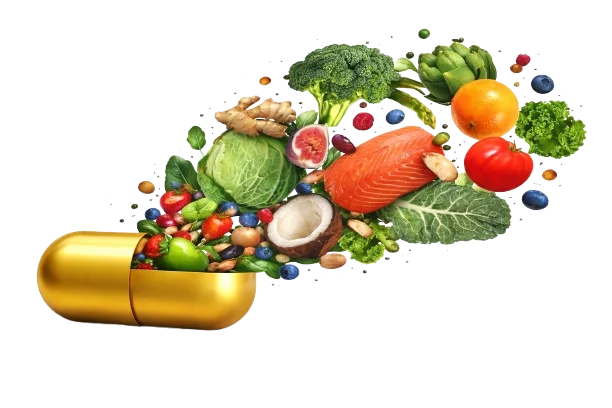

Vitamins & Supplements
Everyday care for children
🧸 For kids
Special formulas
🌿 Natural
No unnecessary chemicals
🧠 Children’s health
Growth, immunity, development
✅ Safe
Trusted quality
Children’s Vitamins and Natural Supplements
A child’s health is something every parent cares about. We try to make sure kids eat well, stay active, and get sick less often. But in real life, it’s not always possible to give the body everything it needs through food alone. That’s why many parents start thinking about children’s vitamins and natural supplements.
Why children need vitamins
Vitamins and minerals are involved in almost every process in a child’s body: bone growth, brain development, immune system function, and the formation of vision and the nervous system. During periods of active growth, the need for nutrients is especially high.
Even with a normal diet, a child may not get enough of certain elements. The reasons can be different: picky eating, seasonal lack of vegetables and fruit, increased workload at school or kindergarten, and frequent colds.
Which vitamins children most often need
Among the most common and important are:
- Vitamin D — necessary for strong bones and teeth, especially important in regions with little sunlight
- Vitamin C — supports the immune system and helps the body fight infections
- B vitamins — important for the nervous system, concentration, and energy
- Calcium — needed for bone growth and proper skeletal development
- Iron — helps transport oxygen and prevents anemia
Children’s vitamins are most often made as chewable tablets, syrups, or drops so they’re convenient and pleasant for kids to take.
What are natural supplements?
Natural supplements are products made from natural ingredients: plant extracts, fruits, berries, seaweed, and other sources. Compared to synthetic vitamins, they often contain nutrients in a “milder” form.
Popular natural supplements for kids include:
- Omega-3 from fish oil or algae
- Probiotics to support digestion
- Plant extracts to support immunity, such as rosehip, echinacea, etc.
These options are often chosen by parents who prefer a more natural approach to nutrition.
What’s the difference between vitamins and supplements?
Vitamins usually provide specific, clearly measured doses of individual nutrients. Natural supplements may contain broader formulas and support the body in a more comprehensive way. At the same time, it’s important to remember that “natural” doesn’t always mean “completely safe” — dosage and quality still matter.
Sometimes vitamins and supplements are used together, but it’s better to do it thoughtfully, not just “just in case.”

Vitamins Parents Often Choose
The Smurfs
Chewable multivitamins for children aged 3+, berry flavor
- Age: 3+
- Form: Chewable
- Flavor: Berry
You will be redirected to our partner’s website.
Nature's Way, Alive!
Chewable multivitamins with cherry and orange flavors.
- Age: 2+
- Form: Chewable
- Flavor: cherry, orange, grape, banana
You will be redirected to our partner’s website.
GummiKing
Calcium and Vitamin D for kids, strawberry and orange flavors.
- Age: 2+
- Form: Chewable
- Flavor: Strawberry, orange, lemon, grape, cherry.
You will be redirected to our partner’s website.
What to look for when choosing
Before buying children’s vitamins or supplements, it’s worth considering a few things:
- Your child’s age and the recommendations on the label
- Ingredients and the absence of unnecessary colorings and added sugar
- Form — whether it’s convenient for your child to take (chewables, syrup, drops, etc.)
- Brand reputation
- Quality certificates and testing/verification
If your child has chronic conditions or allergies, it’s best to consult a doctor.
Do all children need vitamins?
Not every child necessarily needs vitamins or supplements on a regular basis. If their diet is varied and balanced, there may be no deficiency. Most often, vitamins are given in courses—for example, in autumn and winter, during periods of active growth, or when the child has increased demands.
It’s also important to remember that too much of certain vitamins can be harmful, so the “more is better” approach doesn’t apply here.
Summary
Children’s vitamins and natural supplements can be a helpful support for a child’s body, especially during times of increased need. The key is to choose calmly and wisely — not replacing proper nutrition, but complementing it.
If you have doubts, it’s always better to discuss it with a specialist and choose an option that fits your child specifically.